
Modern workspaces are evolving at a rapid pace. The days of rigid cubicles and bland filing cabinets have given way to dynamic, flexible designs that place as much emphasis on function as on aesthetics. Storage, once relegated to the background of an office, now plays a starring role in shaping both productivity and impression. It is no longer just about finding a place to put things—it is about creating harmony, encouraging collaboration, and showcasing the character of a business.
The New Role of Storage in Office Design
Office storage has transformed from being purely utilitarian into an integral design element. Every piece of storage furniture is now judged not only by how well it organizes documents or supplies but also by how it contributes to the feel of the space. In a modern office, storage solutions serve as subtle dividers, conversation starters, and even focal points. When designed with intention, these units can influence workplace culture by promoting openness, order, and visual comfort.
Blending Style with Practicality
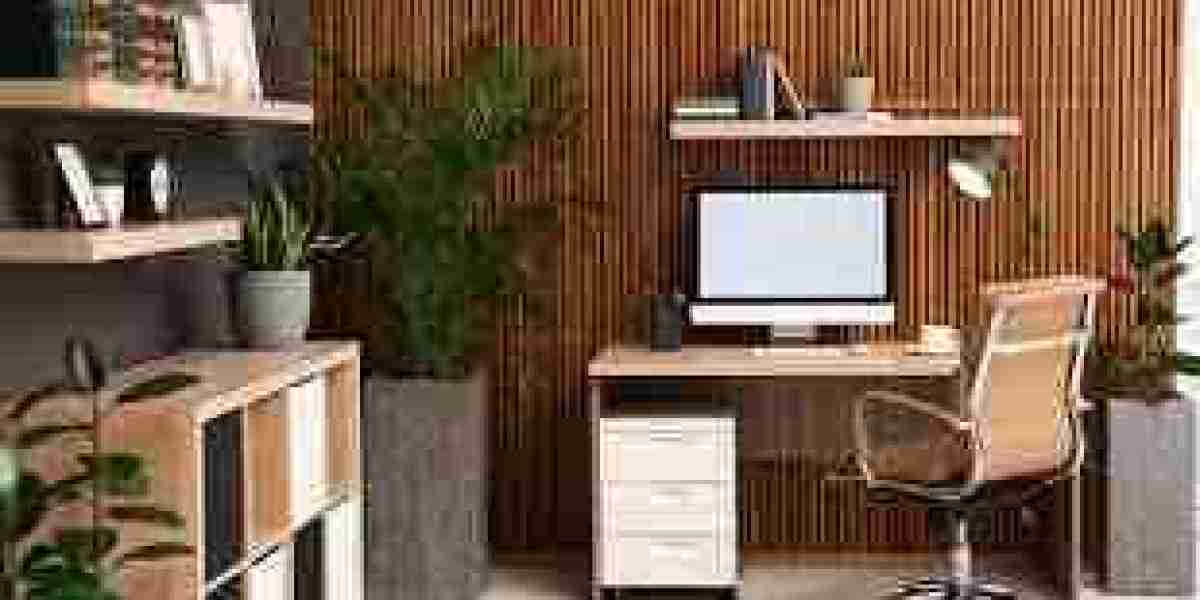
One of the most striking shifts in contemporary storage is the balance between style and practicality. Today’s offices demand furniture that performs its duty without compromising on looks. Sleek modular cabinets, floating wall shelves, and mobile storage carts are now staples in innovative workplaces. These solutions reflect a broader trend: the idea that employees thrive in environments where everything has a purpose, and nothing feels outdated. This balance ensures that storage is not just hidden away but proudly displayed, owning the room with confidence.
Space Optimization in Modern Workplaces
With office footprints shrinking in many urban areas, maximizing space has become a necessity. Creative storage solutions are leading the charge, using vertical dimensions, under-desk compartments, and multi-purpose furniture to ensure that every inch counts. A storage wall might double as a design feature, while compact units with hidden compartments can give employees the flexibility they need. The smartest designs provide scalability, allowing companies to adjust as teams grow or work styles shift.
The Rise of Modular and Flexible Units
Adaptability is the hallmark of modern office furniture, and storage is no exception. Modular units that can be rearranged or expanded are proving invaluable in spaces where change is constant. From movable shelving systems to stackable drawers, these pieces give businesses the ability to reconfigure layouts without the cost of new purchases. This flexibility not only saves money but also supports evolving workflows, ensuring that storage is never an obstacle but always an asset.
Personalization Meets Professionalism
Another emerging trend is the rise of storage solutions that reflect individual and corporate identity. Offices are moving beyond generic filing systems toward personalized units that showcase brand values and culture. Warm wood finishes may suggest tradition and stability, while bold, colorful cabinets can highlight creativity and innovation. In Karachi, businesses exploring office furniture Karachi trends are increasingly turning toward suppliers who offer custom finishes, ensuring that storage solutions align perfectly with the company’s personality.
Sustainability in Storage Design
Sustainability is no longer optional—it is expected. Modern office storage now embraces recycled materials, responsibly sourced wood, and eco-friendly finishes. Companies are keen to reduce their environmental footprint, and furniture manufacturers are responding with designs that combine durability with responsibility. Choosing sustainable storage options not only demonstrates corporate responsibility but also creates a healthier work environment free of harmful chemicals and wasteful production.
Technology Integration in Storage Solutions
In a digital-first era, storage is not limited to physical documents. Offices require furniture that integrates seamlessly with technology. Charging stations embedded into cabinets, cable management systems hidden inside shelving, and even lockable smart compartments for devices are becoming standard features. These innovations reduce clutter, keep essential equipment secure, and ensure that storage keeps pace with the technological demands of the workplace.
Creating Flow and Reducing Clutter
One of the most underrated benefits of modern storage is its ability to create flow. An office that is well-organized reduces distractions, supports focus, and encourages smoother collaboration. Clutter has been shown to increase stress and reduce productivity, and the right storage solution eliminates that risk. By creating a rhythm of open space and functional units, storage helps establish a natural balance that makes offices feel larger, calmer, and more inviting.
Storage as a Visual Statement
Beyond utility, storage is now recognized as a tool for visual storytelling. A large, elegantly designed shelving unit might serve as the backdrop to a boardroom, while an artistic set of cabinets could define a lounge area. These choices are not accidental—they are deliberate moves to create an impression. In many offices, storage has become the silent spokesperson of the brand, communicating professionalism, creativity, or innovation without a single word.
The Importance of Ergonomics in Storage
Modern workplaces prioritize employee well-being, and storage solutions are part of this focus. Poorly placed cabinets or overly heavy units can lead to discomfort or even injury. Today’s designs consider accessibility, encouraging movement without strain. Units are placed at optimal heights, drawers glide smoothly, and shelving avoids awkward reaches. Ergonomic storage is more than convenience—it is an investment in employee health and efficiency.
Storage for Hybrid Work Models
The rise of hybrid work models has created new demands for storage. Employees who split their time between home and office require secure, dedicated spaces to keep their belongings. Lockers, personal storage pods, and flexible cubbies ensure that everyone has a spot without cluttering communal areas. These solutions reinforce inclusivity, letting every team member feel that their contributions—and their possessions—are valued.
Future-Proofing the Office with Storage
Investing in storage is not just about meeting today’s needs but also anticipating tomorrow’s challenges. As offices continue to embrace open layouts, flexible work arrangements, and technological innovation, storage must evolve alongside. Future-proof storage is durable, adaptable, and timeless in design. It supports change rather than resisting it, ensuring that businesses can stay agile without sacrificing order or style.
The Emotional Impact of Organized Spaces
While the technical and practical aspects of storage often dominate discussions, its emotional impact is equally important. A tidy, thoughtfully designed space creates a sense of calm and control. Employees feel more confident, visitors are more impressed, and the general atmosphere becomes one of professionalism and care. Storage that “owns the room” is not just about occupying physical space—it is about shaping emotional space too.
Final Thoughts: Storage as a Defining Element
The modern office is a living, breathing environment that reflects the aspirations of the people within it. Storage, once a hidden necessity, has stepped into the spotlight as a defining element of design. From modular systems and sustainable materials to technology integration and ergonomic features, storage solutions today are designed to do more than organize—they are built to inspire.