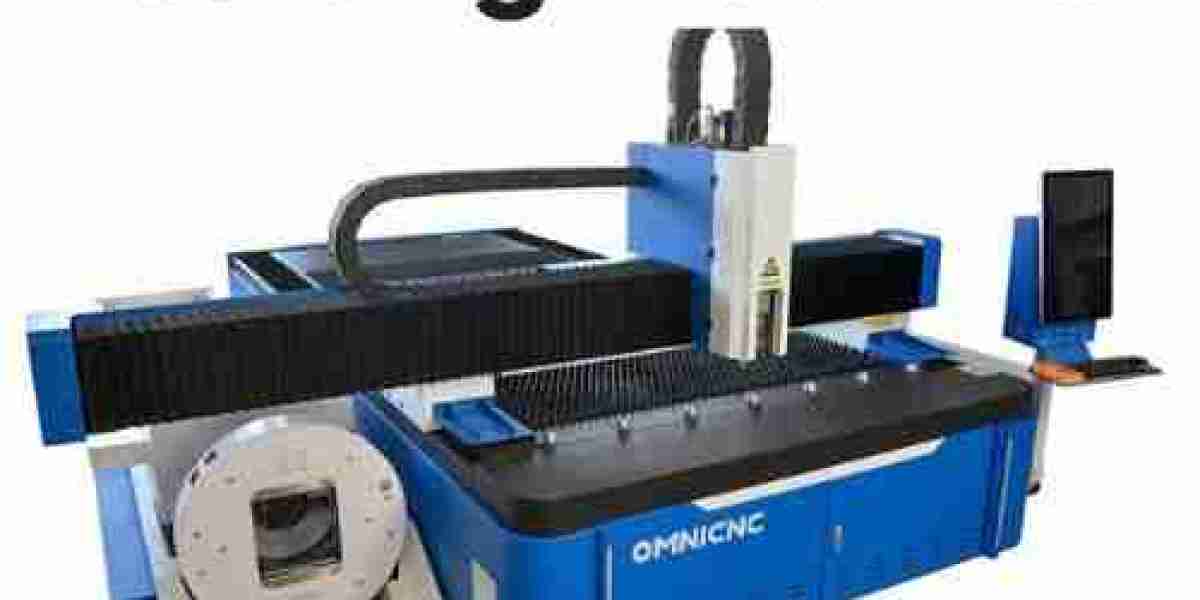

The global manufacturing landscape has evolved rapidly, driven by the demand for precision, efficiency, and scalable production. At the center of this transformation stands the China fiber laser cutting machine, a technology that has become deeply integrated into modern metal processing environments. From small fabrication workshops to large industrial production lines, this equipment has reshaped how metals are cut, shaped, and prepared for further manufacturing stages. Its growing presence across international markets reflects not only technological progress but also the strong manufacturing ecosystem that supports its development and distribution.
A China fiber laser cutting machine represents a combination of advanced laser science and industrial engineering. It is designed to process a wide range of metal materials with exceptional consistency. The technology relies on fiber-based laser sources that generate concentrated beams of light, allowing manufacturers to perform intricate cutting tasks on metals such as carbon steel, stainless steel, aluminum, brass, and copper. These machines are now widely used in industries that demand accuracy and repeatability, including automotive manufacturing, aerospace components, electrical enclosures, construction materials, and decorative metal applications.
China’s role in the development of fiber laser cutting machines has been shaped by decades of investment in manufacturing infrastructure. Industrial zones across the country are equipped with specialized production lines, skilled labor, and integrated supply chains that support large-scale equipment manufacturing. This environment has allowed Chinese manufacturers to continuously refine laser cutting systems while adapting to international production standards. As a result, the China fiber laser cutting machine has become a familiar presence in factories across Asia, Europe, the Americas, the Middle East, and Africa.
In metal fabrication workshops, the adoption of a China fiber laser cutting machine often represents a shift toward automation and digital control. These machines are commonly integrated with computer numerical control systems that translate digital designs into precise cutting paths. Engineers and operators can work directly from CAD files, enabling smooth transitions from design to production. This digital workflow supports consistent output across large production batches, which is particularly important for industries that require uniform components and tight tolerances.
The influence of the China fiber laser cutting machine extends beyond traditional heavy industry. In architectural metalwork, designers use laser cutting technology to create complex patterns, panels, and structural elements that would be difficult to achieve through conventional methods. Interior design firms and signage manufacturers also rely on laser-cut metal for customized projects, where accuracy and clean edges are essential. These applications highlight how laser cutting technology has expanded creative possibilities while maintaining industrial reliability.
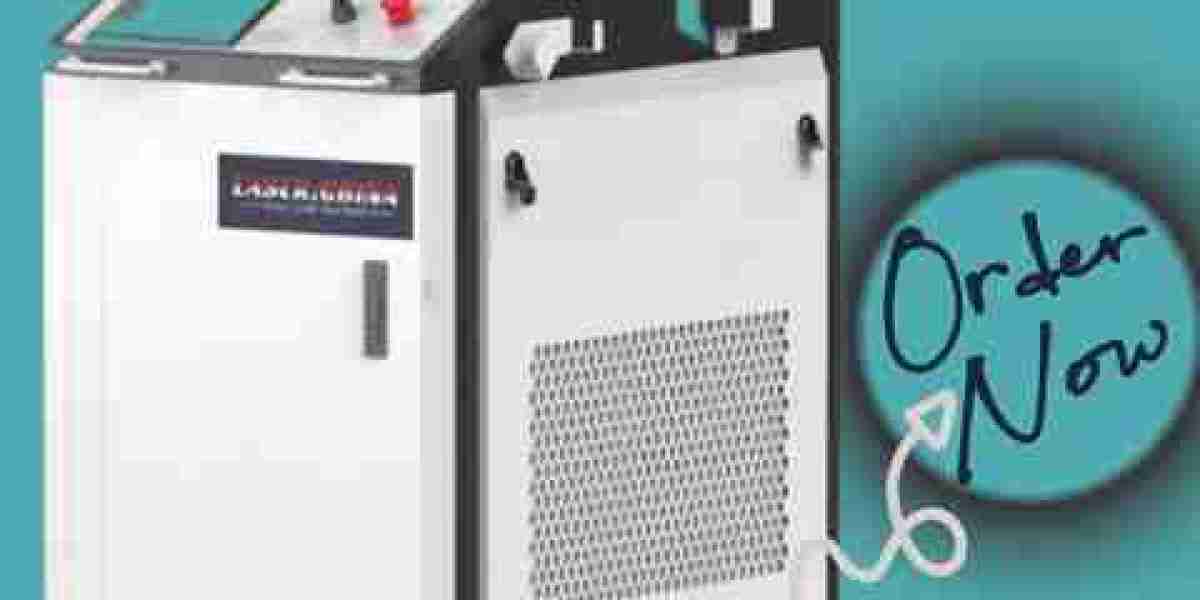
One of the defining aspects of the China fiber laser cutting machine market is its diversity. Machines are produced in various sizes and power ranges, allowing manufacturers to select systems that align with their specific production requirements. Compact units are often used in small workshops or specialized fabrication environments, while large-format machines serve heavy-duty industrial plants handling thick metal sheets and high-volume output. This flexibility has contributed to the widespread adoption of fiber laser cutting technology across different business scales.
In international trade, the China fiber laser cutting machine is often associated with adaptability to different regulatory and operational environments. Manufacturers frequently customize machines to meet regional standards, electrical specifications, and software preferences. This adaptability has made Chinese laser cutting equipment suitable for export to a wide range of markets, supporting global manufacturing operations that rely on standardized yet customizable production tools.
The industrial value of a China fiber laser cutting machine is closely tied to its role in streamlining production processes. In manufacturing facilities, these machines are typically positioned at the beginning of the production chain, where raw metal sheets are transformed into precisely cut components. These components then move seamlessly into bending, welding, surface treatment, or assembly stages. The precision achieved during laser cutting helps ensure compatibility across subsequent processes, reducing variability in final products.
Training and workforce development are also influenced by the use of China fiber laser cutting machines. As more factories adopt laser cutting technology, operators develop specialized skills in machine setup, software operation, and quality control. This shift has contributed to the modernization of manufacturing labor, emphasizing technical expertise and digital literacy. Many training programs and vocational institutions now include laser cutting systems as part of their curriculum, reflecting the growing importance of this technology in industrial careers.
From a global perspective, the popularity of the China fiber laser cutting machine has contributed to increased competition in the laser equipment market. Manufacturers continuously refine machine design, control systems, and production efficiency to meet evolving customer expectations. This competitive environment has encouraged innovation and technological advancement, benefiting end users who gain access to increasingly sophisticated cutting solutions.
The presence of a China fiber laser cutting machine in a production facility often signals a commitment to modernization and scalability. As market demands fluctuate, manufacturers seek equipment that can handle both small custom orders and large production runs. Laser cutting systems provide the flexibility to adjust production schedules without extensive retooling, supporting businesses that operate in dynamic markets. This adaptability is particularly valuable in industries such as custom metal fabrication, where design changes and short lead times are common.
In industrial exhibitions and trade fairs, China fiber laser cutting machines are frequently showcased as central attractions. Demonstrations highlight their ability to handle complex cutting tasks with consistent quality. Buyers and engineers from around the world attend these events to evaluate machine performance, software integration, and overall production compatibility. Such exhibitions play a significant role in shaping purchasing decisions and reinforcing the global presence of Chinese laser cutting technology.
The supply chain supporting the China fiber laser cutting machine industry is extensive. It includes component manufacturers, software developers, mechanical engineers, and quality control specialists. This interconnected ecosystem enables continuous improvement and rapid adaptation to new industrial requirements. As global manufacturing standards evolve, Chinese manufacturers leverage this supply chain to align their equipment with international expectations, further strengthening their position in the market.
In many factories, the installation of a China fiber laser cutting machine marks a turning point in operational strategy. Production managers often redesign workflows to maximize the efficiency of laser cutting technology, integrating automated loading and unloading systems or coordinating cutting schedules with downstream processes. These changes reflect a broader trend toward smart manufacturing, where digital tools and advanced machinery work together to optimize output.
The growing reliance on China fiber laser cutting machines also reflects changing customer expectations. End users increasingly demand precision-cut components with consistent quality and fast delivery times. Laser cutting technology supports these demands by enabling accurate production planning and repeatable results. As a result, manufacturers that invest in such equipment are often better positioned to meet competitive market requirements.
Across the global manufacturing sector, the China fiber laser cutting machine has become more than just a piece of equipment. It represents a convergence of technology, industrial expertise, and market responsiveness. Its widespread adoption illustrates how advanced manufacturing tools can reshape production capabilities and support long-term industrial development. As industries continue to evolve, the role of fiber laser cutting technology within manufacturing systems remains firmly established, driven by the ongoing influence of Chinese manufacturing innovation.